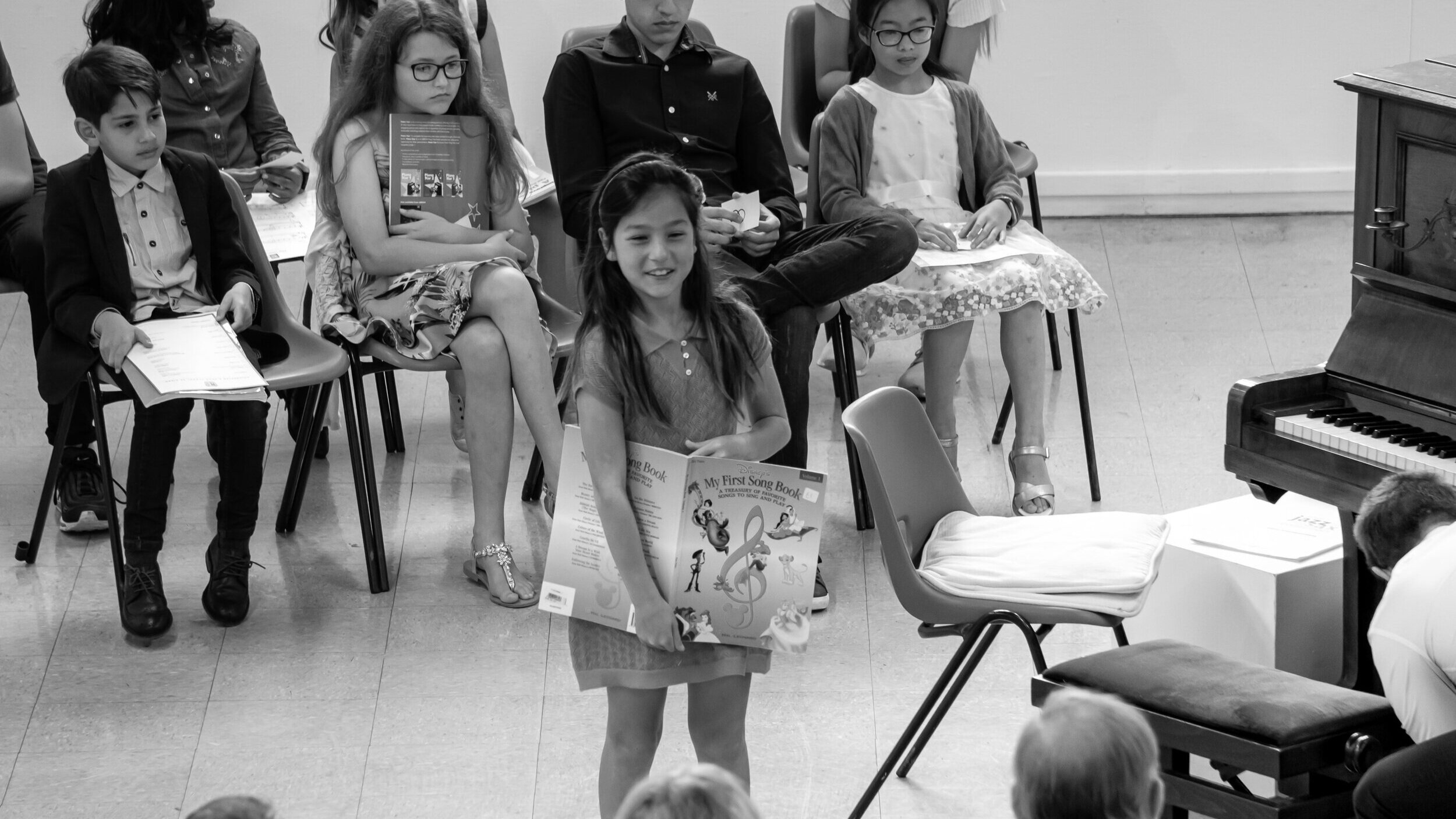
Our students have…
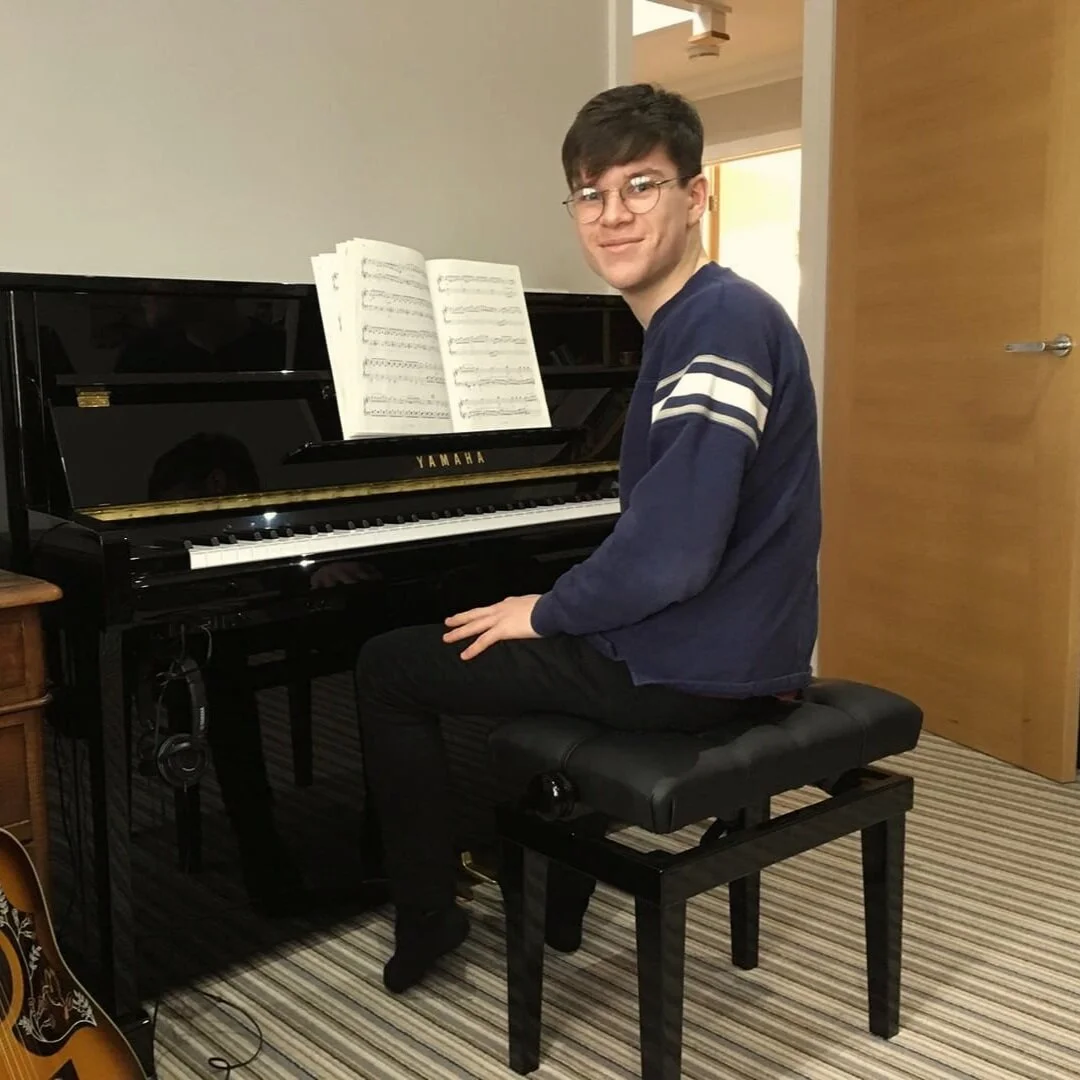
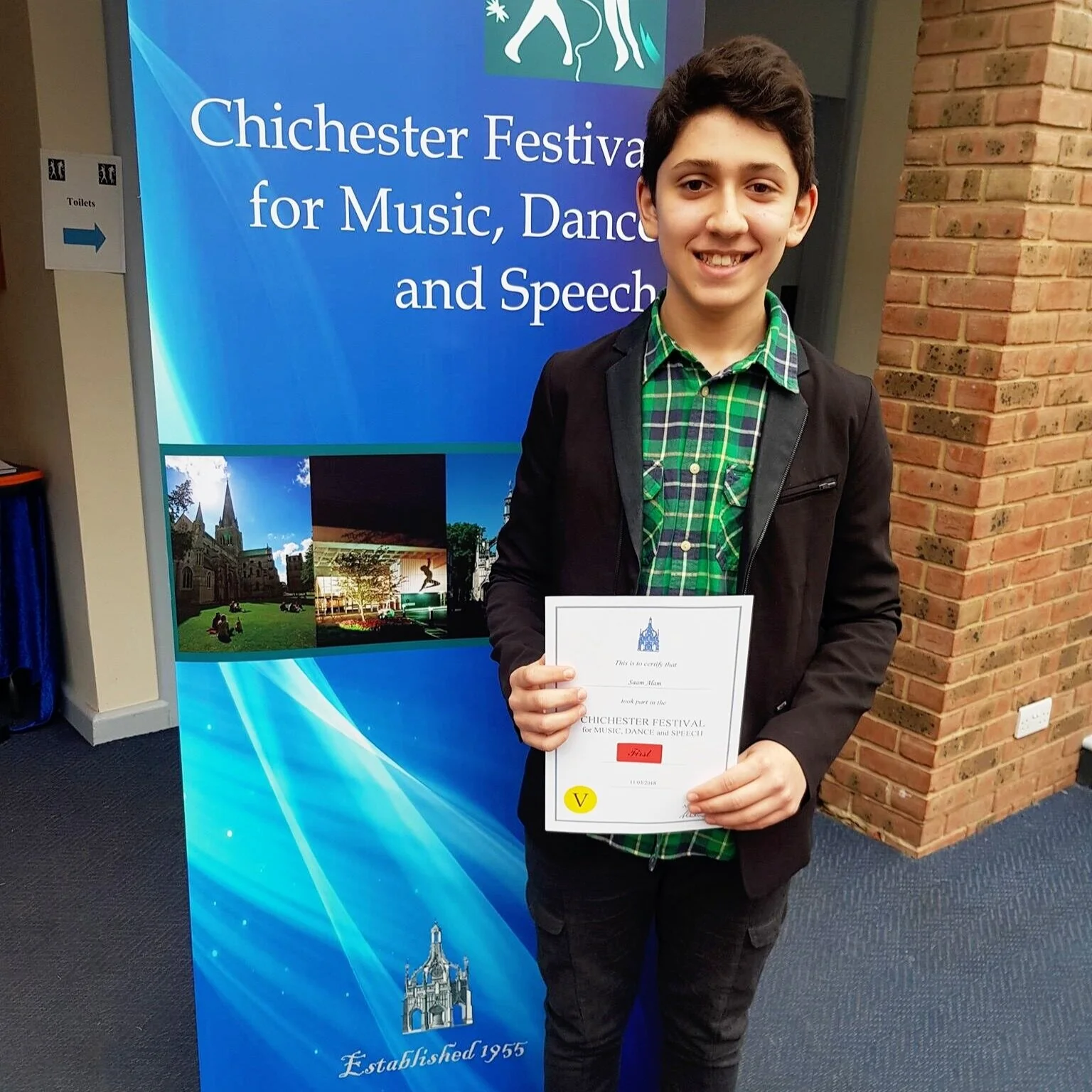

Our Teaching Philosophy
-
Note recognition. The ability to name notes on a score and find them on the piano is the building block of fluent reading. Read more →
-
Keyboard geography. The companion to note recognition, keyboard geography is all about navigating the piano with ease and efficiency. A firm knowledge of the keyboard and how to get around it (sometimes without looking!) nurtures confident sight-readers. Read more →
-
Pulse, metre & rhythm. Pulse is the musical heartbeat of every piece. Just like a healthy heartbeat, the pulse must be regular, consistent and never falter – a right note in the wrong place is still a wrong note! Read more →
-
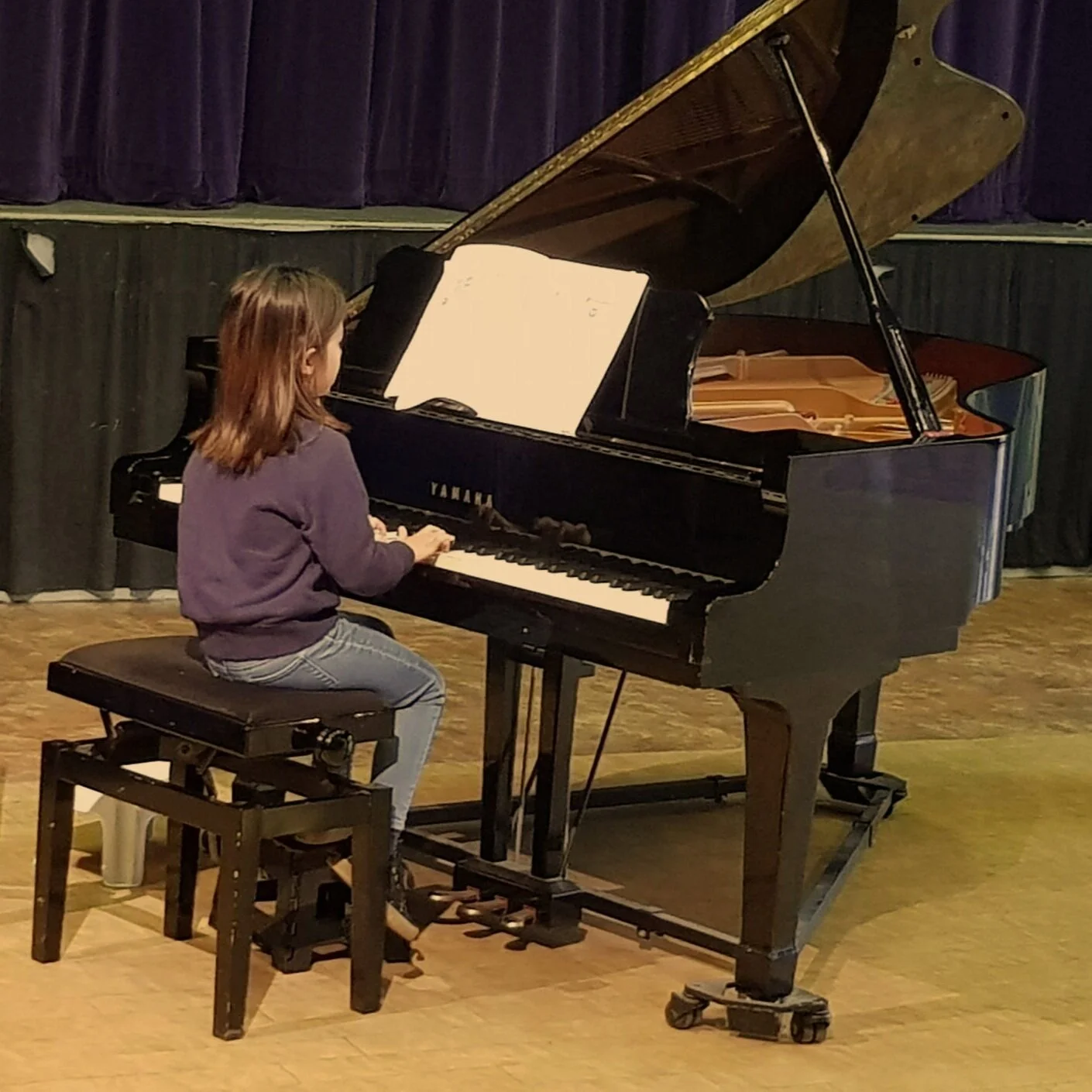
Posture. This is of great importance and should always be considered when playing. Good technique is built from good posture. If you can look like a concert pianist then you can play like one too! Read more →
-
Aural awareness. Major or minor? Ears that can pick out the tonality of a piece (or even just a single chord) can easily define the character and nature of what they are playing. Read more →
-
Sound production. This covers the interpretation of dynamics (loud and soft), articulation (smooth or detached), and other ways of changing the sound of the piano. A wide palette of sounds allows students to be more creative when playing. Read more →
-
Improvisation. Though the benefits of improvisation are not as tangible as perhaps those of performing, it is nevertheless one of the best ways to stimulate a musical mind. Improvising in different keys is a great way to become familiar with their individual shapes and characters, reinforcing patterns that will aid sight-reading. It is also naturally generates musical ideas that can be used in students own compositions. Read more →